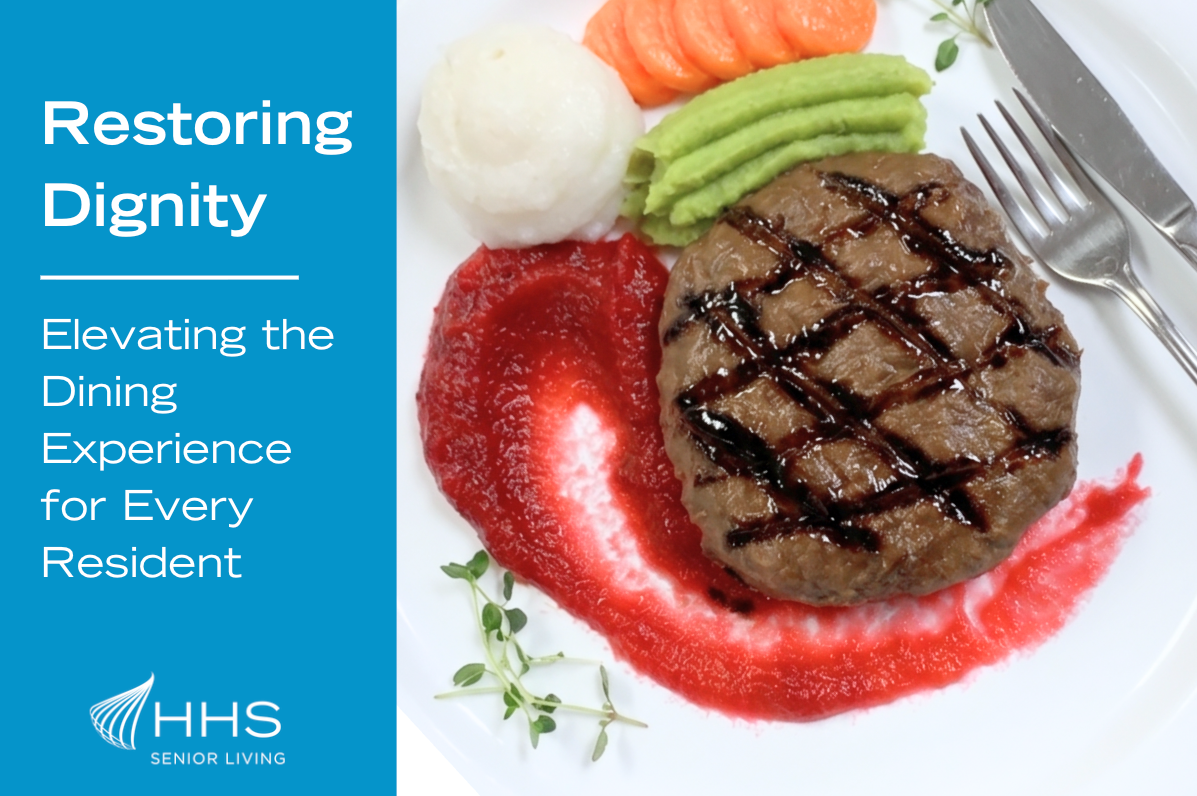
For many residents, physical limitations or cognitive changes can turn daily mealtime rituals into sources of frustration or worse, isolation. The senior living industry continues to shift toward more person-centered care, so we’re seeing a growing emphasis on how the experience of eating (not just the caloric or nutritional content of the meal) impacts long-term health and well-being. Meals are a social anchor that all residents should be able to participate in, and the kitchen can help make that a reality.
Recent data continues to highlight that malnutrition remains a significant concern among aging populations. Clinical benchmarks are still critical when considering meal consumption, but our teams are finding one the most effective ways to improve these outcomes is by focusing on the dignity and autonomy of the resident. Blending the science of nutrition with the art of presentation means communities can transform mealtimes into an inclusive experience for everyone, regardless of their dietary needs. This, in turn, boosts the desired clinical outcomes.
How does the culinary team manage these outcomes?
Bringing Parity to Texture-Modified Dining
For residents living with dysphagia (swallowing difficulties), the dining experience often feels like a separate, less desirable reality. Additionally, when served meals that look starkly different from what their peers are eating, it can create a sense of social exclusion.
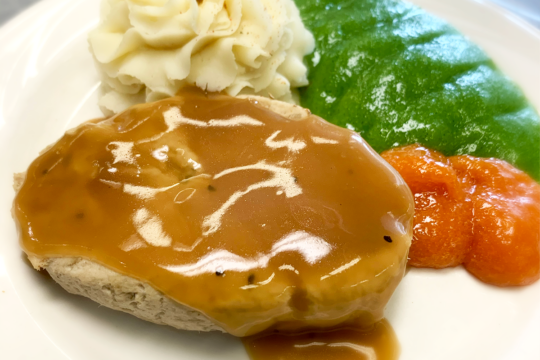
Thankfully, the modern approach to texture-modified diets is already moving away from processed, frozen purees and toward high-quality, fresh ingredients. The goal is parity: if the evening menu is braised pork, roasted broccoli, and seasoned sweet potatoes, the texture-modified option should reflect those same components, flavors, and colors.
Culinary tools like food molds and piping bags has become a simple but essential standard for elevating this experience. When a pureed meal is shaped and plated to mirror the appearance of the standard menu, the psychological shift is significant. It signals to the resident that their needs are being met with care and creativity rather than convenience. Even simply being served fresh ingredients instead of frozen can signal a huge morale improvement. No resident wants to feel different or inconvenient. This attention to detail has been shown to support better intake, as the visual appeal of a meal plays a critical role in stimulating appetite.
Autonomy and Empowerment in Memory Care
For residents navigating memory disorders, mealtimes can become complicated by the loss of dexterity, or the inability to comfortably navigate utensils. Too often, the solution is limited to basic finger foods like chicken tenders or simple carbohydrates. However, true person-centered care recognizes that independence is a vital component of quality of life. Much like dysphagia diets, reducing social friction surrounding mealtime can have a monumental impact.
The 2026 standard for memory care dining focuses on reimagining the menu to support independence. It’s less about changing the food, and more about changing the format.
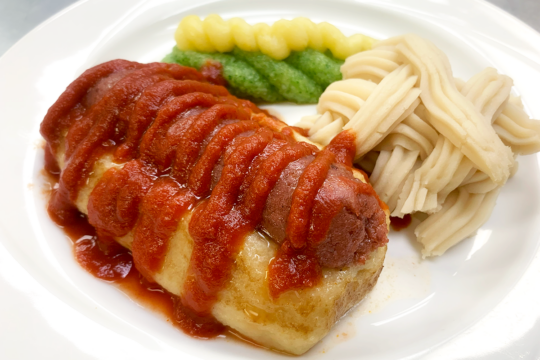
Consider a classic chef salad: for a resident who struggles with a fork and knife, a salad can be difficult to manage, leading to potential intake failure. By transforming that same salad into a handheld, nutrient-dense wrap, we provide the resident with the dignity of feeding themselves without the hurdle of complex utensils. This strategy can be applied to nearly any menu item, allowing residents to maintain their independence and autonomy throughout the meal.
The Art and Science of Care
Improving the dining experience is an ongoing evolution in senior living. Utilizing the art of food styling and the science of nutritional accessibility, communities can do more than just meet regulatory benchmarks; they can restore joy and pride to the table.
When we prioritize how food is presented and how it is consumed, we provide residents with more than just nourishment. We provide a dining experience that honors their dignity and enhances their quality of life.
Looking to revamp your dining program? Contact Zach Malish at HHS Senior Living.
All photos provided by HHS Senior Living
Thank you to Nicole Wright, Director of Business Development at HHS, for sharing this article with LeadingAge Kansas members.