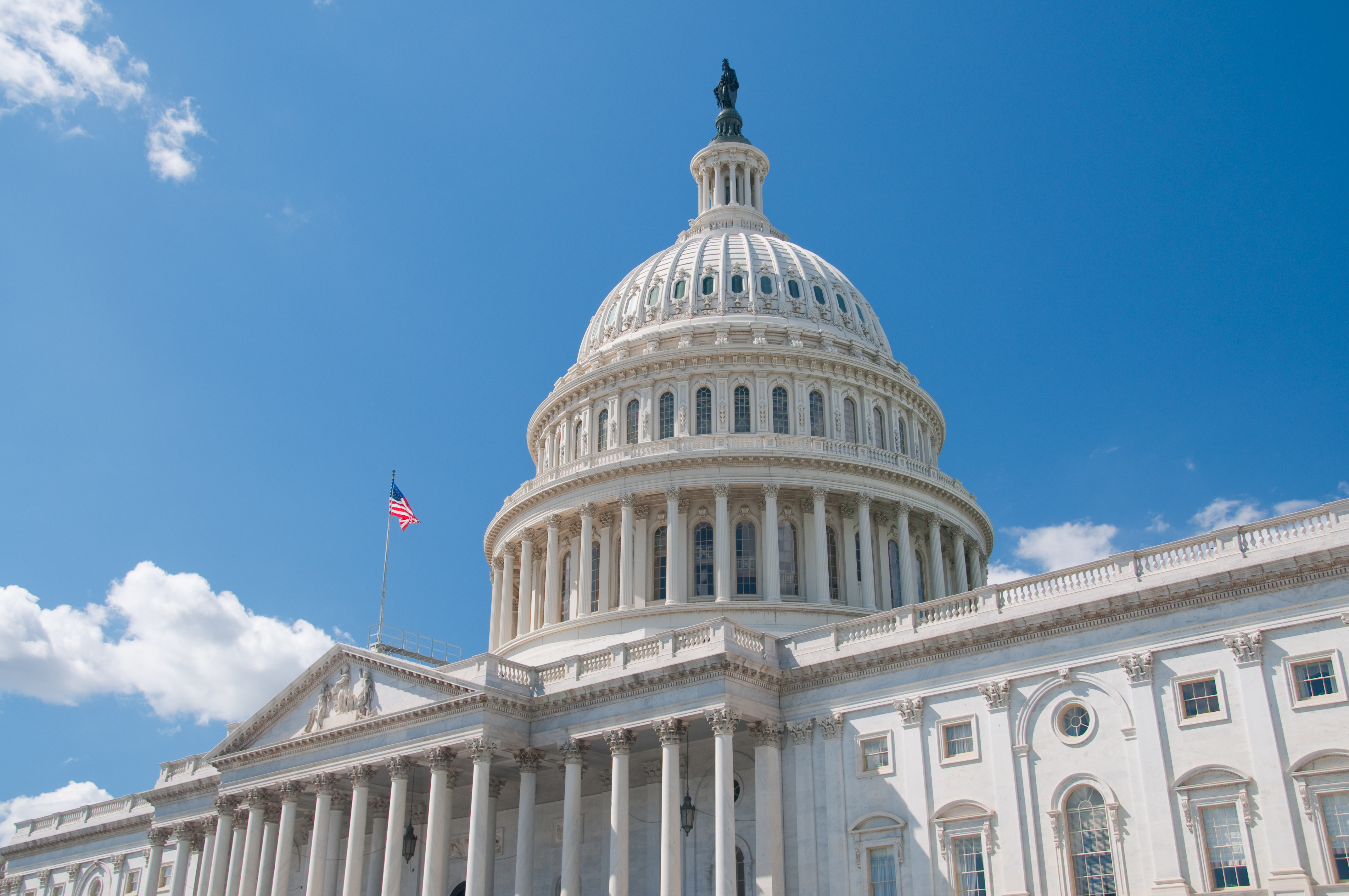
House Votes to Pass Remaining Appropriations Bills; Shutdown Will End
On February 3, the House voted by a narrow margin — 217-214 — to fund the federal government, reopening key agencies that were shut for four days. All departments, including the Department of Housing and Urban Development (HUD) and the Department of Health and Human Services (HHS), with the exception of the Department of Homeland Security (DHS), are funded for the duration of FY2026, which runs through September 30, 2026. DHS is funded for two weeks to allow for more negotiations around Immigration and Customs Enforcement (ICE) and Border Patrol guardrails and that funding expires on February 13, 2026. The bill also contains a number of health extenders including a two-year extension (through December 31, 2027) of telehealth flexibilities in Medicare and a 5-year extension of the Acute Hospital at Home program. More information on what is in the legislation can be found in our FY2026 appropriations serial post. The shutdown will end when President Trump signs the bill into law which he is expected to do on Tuesday, February 3.
LeadingAge Submits Comments on Staffing Standard Repeal
LeadingAge submitted comments on January 31 on the interim final rule Repeal of Minimum Staffing Standards for Long-Term Care Facilities. The interim final rule was released in December and is the final chapter in the Minimum Staffing Standards initially proposed in 2023. The rule was finalized in 2024, struck down by federal courts in spring and summer 2025, and placed on a moratorium in the Fiscal Year 2025 federal budget. LeadingAge supported the repeal of this rule and provided suggestions for actions the Centers for Medicare & Medicaid Services (CMS) could take to improve staffing by investing in the long-term care workforce. Suggestions addressed nurse aide training programs, CMS’s Nursing Home Staffing Campaign, and Medicaid reimbursement rates. Read more here.
CMS Updates Guidance on Complaints and Surveys
The Centers for Medicare & Medicaid Services (CMS) released updates to the State Operations Manual (SOM) on January 30 that impact complaint procedures and nursing home survey and enforcement processes. These updates, outlined in QSO-26-03-NH and reflected in Chapters 5 and 7 of the SOM, are said to be consistent with existing policies previously released through Quality, Safety, and Oversight (QSO) memos and represent no new changes to current policies, according to CMS. LeadingAge will be reviewing these updates and providing further analysis in the coming days.
CMS Posts Final Healthcare Tax Rule
On January 29, the Centers for Medicare and Medicaid Services (CMS) posted the Medicaid Program; Preserving Medicaid Funding for Vulnerable Populations-Closing a Health Care-Related Tax Loophole Final Rule to the Federal Register. This rule codifies concepts initially introduced in the May 15, 2024 proposed rule under the same name, then enacted into the federal statute with passage of the Working Families Tax Cut Law (WFTCL), also known as HR1 or the One Big Beautiful Bill. The rule is being finalized with meaningfully similar intent to the proposed rule which is to limit states’ abilities to use waivers of uniformity or broad basedness to unduly burden the Medicaid program.
From the inception of provider taxes, their purpose was to be ‘generally redistributive’ to state Medicaid programs, meaning the burden of the tax falls on a broad scope of providers or services, not only those in or participating in Medicaid. In the final rule, CMS takes additional steps in the definitions section to outline instances of taxes that do not meet generally redistributive principles. CMS added two nursing facility taxes to its analysis of non-compliance but provided no other information in the body in the rule. LeadingAge is working to get more information about this and will report out when we know more.
Additionally, the rule finalizes slightly more generous timelines for state compliance efforts on taxes currently presumed out of compliance than was offered in their November 14th “Dear Colleague letter.” The earliest compliance date is now January 1, 2027 for taxes on managed care organizations with waivers approved within the last 2 years. Other taxes see slightly longer runways. The effective date of the rule is April 3, 2026. LeadingAge will continue to review the rule and provide more comprehensive analysis in the coming days. The rule is available for review here.
PACE Payment Adjustment Coming in March
On January 29, the Centers for Medicare and Medicaid Services (CMS) Medicare Plan Payment Group released a memo outlining information about PACE Medicare Capitation payments for January and February. The notice indicates that CMS anticipated having updated state and county code (SCC) data to adjust rates for the first two months of the year. The updated codes were not applied, and default rates were used. CMS anticipates that the prospective payment for March will be appropriately calculated and retroactive adjustments will be included in the March Monthly Membership Report (MMR) Data File with Adjustment reason code (ARC) 94- Special payment adjustment due to cleanup (ID CS4617180). You can review past memos from the health plan management system (HPMS) here.